


In recent months, our technical team has seen an alarming increase in DDoS attacks of the Carpet bombing type, characterized by intense traffic spikes generally directed at all IP addresses belonging to the ASN. These attacks have negatively impacted network connectivity, presenting an additional challenge in evading detection by many conventional DDoS security systems.
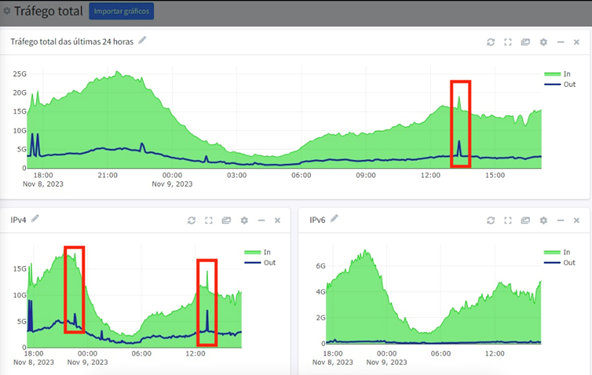
Unlike traditional attacks, which focus on a single IP address, these latest attacks show greater sophistication. They send smaller volumes of traffic distributed among several IP addresses, making identifying patterns and distinguishing between legitimate traffic and DDoS attacks a much more complex task.
In response to these evolving cybercriminal tactics, the AntiDDoS development team at Made4Flow has taken proactive measures. We recently implemented a series of new decoders to strengthen our detection system. This improvement aims to enhance the accuracy and reliability of our anomaly detection and analysis tool, significantly improving our ability to identify and neutralize more sophisticated DDoS attacks, by taking automated actions that were previously configured in our tool—such as BGP prefix announcements for mitigation or Clean Pipe (scrubbing center) links — in addition to generating reports on the identified attack.
In this article, we’ll explore the details of these new Decoders, developed on the basis of extensive Made4Flow analysis and packet captures. These implementations aim to improve the resilience of AntiDDoS, providing a more efficient defense against the complexities of contemporary DDoS attacks.
New Decoders from AntiDDoS Made4Flow:
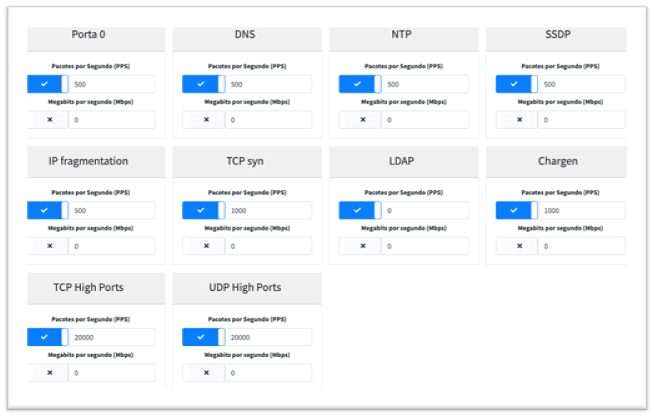
• Port 0: Enables the identification of DDoS attacks that use port ZERO in the UDP protocol within an IP packet, whether as the source or destination, since this tactic is frequently used in DDoS amplification attacks.
• DNS: A common feature of DDoS attacks is the receipt of packets from DNS servers or hosts responding to DNS requests. These attacks are known as DNS amplification and involve zombie machines (infected machines), servers or assets responding to DNS requests, and the target.
• NTP: Another widely used tactic involves attacks using NTP servers. Like DNS-based attacks, these are known as NTP Amplification, exploiting servers or hosts that respond to NTP requests to direct the attack toward its target. Although it is common for devices connected to the network to make NTP queries to keep the date and time up to date, it is possible to improve the detection of DDoS attacks by setting a standard traffic threshold using a decoder.
• SSDP: The Simple Service Discovery Protocol (SSDP) can be exploited to send large volumes of packets to the target, abusing device discovery services to amplify the attack and disrupt the target’s connectivity.
• IP Fragmentation: Packet fragmentation can occur when a device is unable to send all the necessary information in a single packet. The main issue is that firewall blocks may not be as effective, and large DNS response packets may use fragmented packets. An excess of these packets can impact the network and consume excessive resources from network devices; with this decoder, we can set a threshold and make detection more accurate.
• TCP SYN: This decoder plays a key role in detecting attacks known as SYN floods, which involve consuming the resources of servers or device services, rendering them unavailable for use. By setting the correct threshold, we can implement effective preventive measures, preventing this type of attack from occurring and taking actions that result in immediate mitigation.
• LDAP: The LDAP decoder plays an important role in identifying DDoS attacks that exploit servers with active LDAP to perform reflections, thereby amplifying malicious traffic.
• Chargen: Although it is an older protocol, it is used in some line printers and can be exploited by attackers. Setting a limit for this type of traffic is also important.
• TCP and UDP High Ports: In addition to the protocols mentioned above, we have observed in several DDoS attack reports the use of high ports—above port 1024—with the TCP and UDP transport protocols. Therefore, it is important to set limits for these two protocols, making the detection of attacks that use high ports more effective.
The addition of new decoders makes DDoS attack detection more efficient by supporting a variety of protocols, protecting against different types of DDoS attacks, minimizing false positives, and enabling more accurate identification of real threats.