


In our digital age, our lives are becoming increasingly connected to the Internet, or the global computer network. In situations like the one we’re facing in 2021—where the global pandemic has forced many companies to transition to a fully connected work-from-home environment—digital crimes and cyberattacks are on the rise every day.
Cyberattacks are attacks or cybercrimes that occur in the digital world via the Internet. Hackers or malicious individuals attempt to damage, destroy, or breach a network or system.
And what about these crimes? We can list several, such as:
- Identity Theft
- Fraud
- Extortion
- scams and other criminal and malicious practices
- Cyberwarfare or cyberterrorism
- A competitor
And in recent years, the number of cyberattacks has increased significantly, as the news reports show:

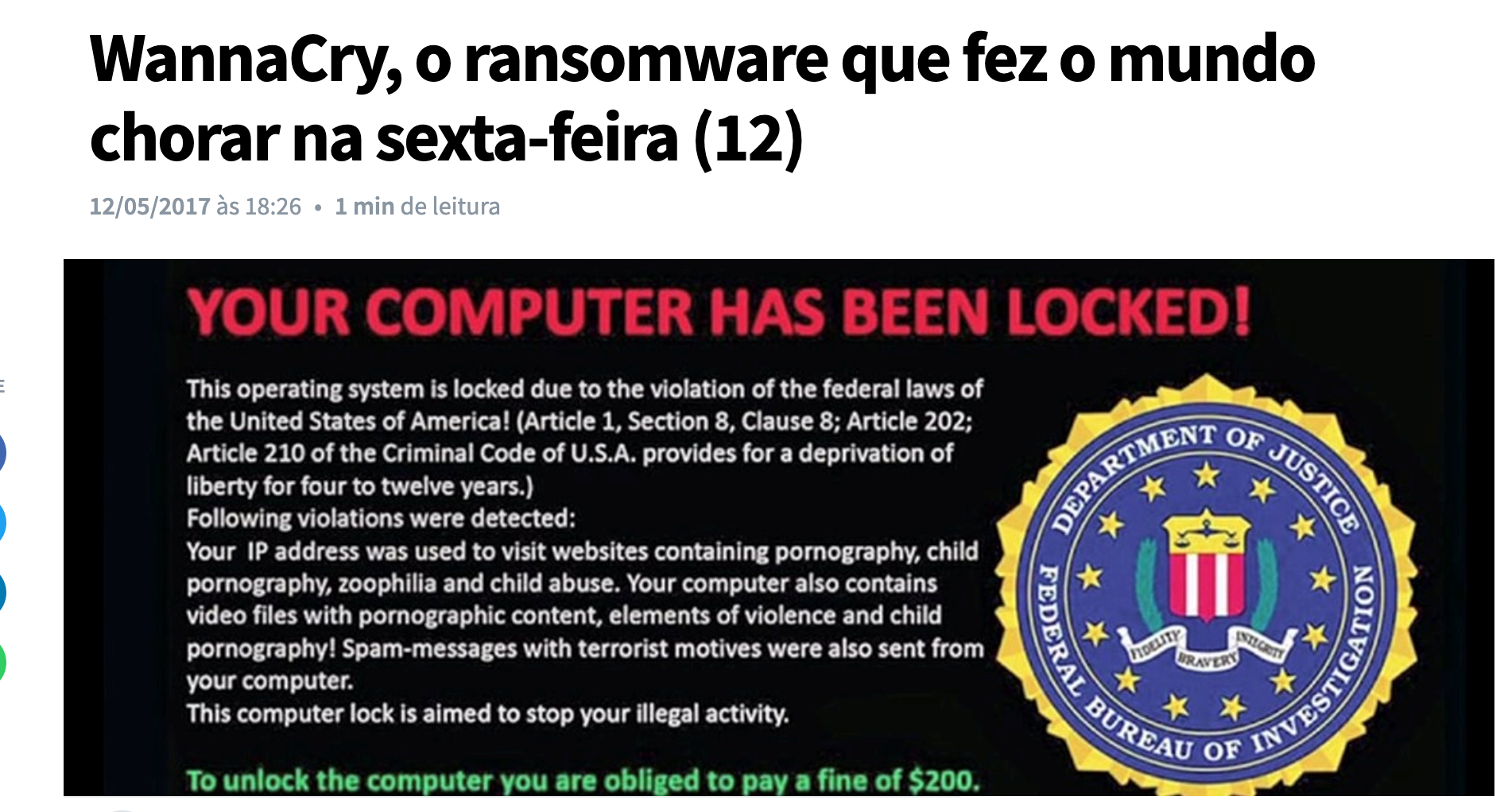

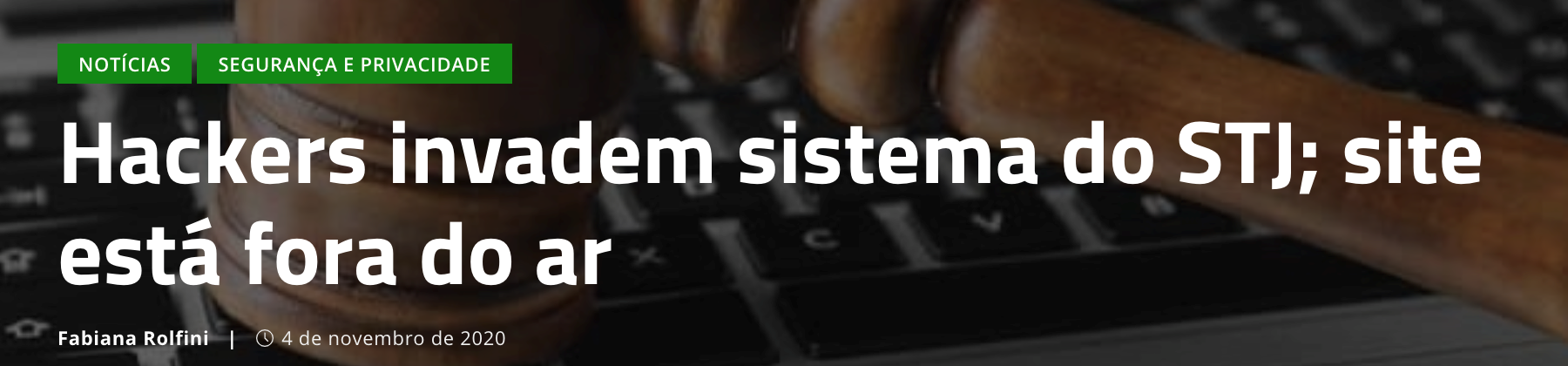
And cyberattacks can affect all types of companies—not just large ones, but small and medium-sized ones as well.
What are they and how do they work?
Cyberattacks take many different forms and can occur in various ways. Let’s discuss the main ones, which are:
Backdoor: These are attacks in which a virus creates a backdoor to take control of the system, delete or modify files, or run programs; they can also be created by the code’s developers themselves. Think of a backdoor as a hidden entrance to a fortress. An example of a backdoor is a Trojan horse.
Ransomware: In recent years, ransomware has become notorious for infecting many systems around the world. Ransomware is a type of virus that infiltrates systems, locks files, and demands payment (lately, in bitcoins) to unlock them. In most cases, they affect computers running Windows. Examples of ransomware include WannaCry, CryptoLocker, and scareware.
Phishing: It’s been around for a long time, and it still catches many unsuspecting people off guard. Phishing is the act of impersonating a person or company in order to gain your trust and then install a virus, direct you to a fake banking website, or trick you into paying a fake bill.
Who hasn’t received an email from Itaú, Caixa, or Bradesco saying that an account is in arrears? These are examples of phishing.
DoS (Denial of Service): These are the well-known denial-of-service attacks. The goal is not to steal information or install a virus, but rather to overload a service and make it inaccessible. DoS attacks occur when a hacker attempts to overload a system or service using a computer or server.
DDoS (Distributed Denial of Service): These attacks are similar to DoS attacks, but the main difference is that they are distributed and carried out by thousands or even millions of computers simultaneously. Hackers control a botnet (a network of infected, remotely controlled computers) with millions of hosts, and when they want to attack a victim, they send commands instructing every device in the botnet to attack their victims.
In DDoS we have a few types of attack which are: Volumetric attack, attack to exhaust hardware resources and application layer attack.
As you can see we have several types of cyber attacks existing, and the main question is: Are you and your company prepared for them?
Count on Made4it to increase security in your company!